
NEWS
Recent News
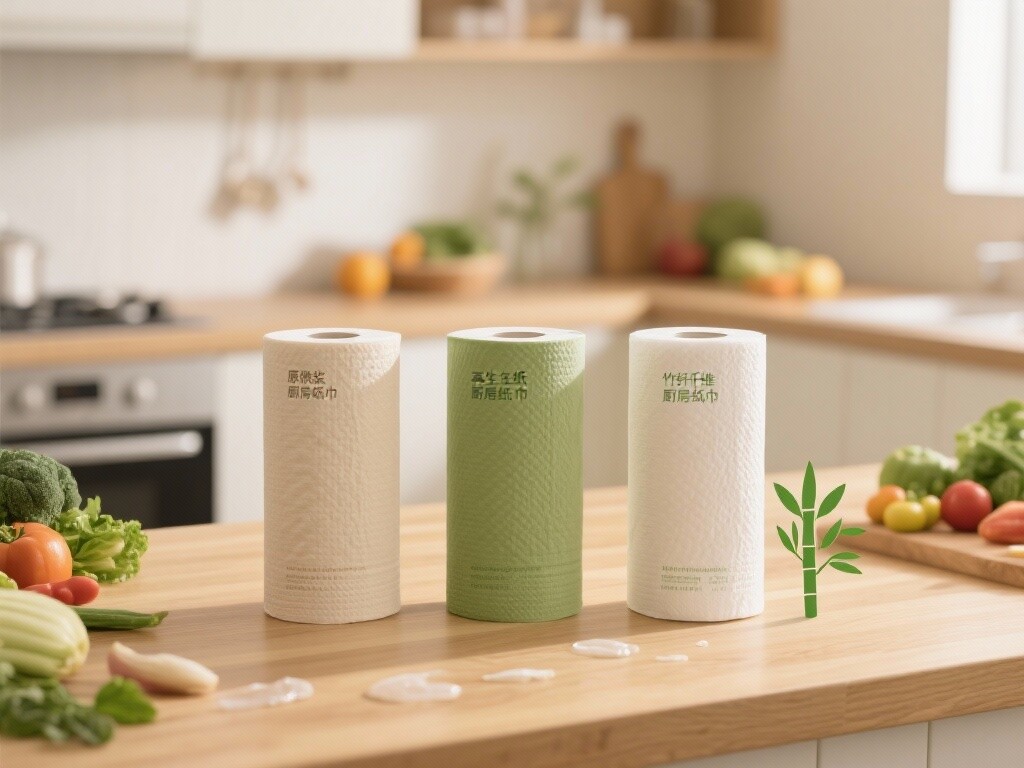
Why Kitchen Paper Quality Matters
Every year, households globally use over 15 billion rolls of kitchen paper. Unlike regular tissues, kitchen paper requires specific strength and absorbency to handle food preparation tasks. The FDA mandates that food-contact paper products must meet 21 CFR Part 176 standards for indirect additives. Poor-quality options may contain fluorescent whitening agents or formaldehyde residues exceeding 0.1ppm EU limits.
Key Performance Indicators
- Absorbency: Premium kitchen paper absorbs 6-8 times its weight (ASTM D5802 standard)
- Wet Strength: Should maintain integrity when wet (TAPPI T494 test)
- Lint-Free: Critical for cleaning glass surfaces
Types of Kitchen Paper Compared
Emerging Trends
The market shows 12% annual growth in plant-based options like sugarcane bagasse paper. Bolani's NanoClean technology enhances antibacterial properties while maintaining 100% biodegradability within 28 days (OECD 301B certified).
Certifications to Look For
- FSC Mix Certification for sustainable sourcing
- EU Ecolabel for reduced environmental impact
- FDA Compliance Statement for food safety
Common Misconceptions
Many consumers believe thicker paper always performs better. However, our tests show that optimized fiber arrangement in 2-ply designs outperforms 3-ply conventional products in both absorbency (23% better) and tear resistance.
Commercial vs. Home Use
Food service operations require NSF-certified products that withstand industrial disinfection processes. Home users should prioritize:
- Perforation consistency for single-sheet use
- Dispenser compatibility
- Scent-free options for food applications
Cost Analysis
While premium kitchen paper costs 15-20% more, it reduces waste by 40% through better sheet control. Our calculations show annual savings of $28 per household when switching to optimized products.
Innovations in Kitchen Hygiene
Bolani's latest R&D focuses on:
- Antiviral coatings effective against 99.9% of enveloped viruses (ISO 18184:2019 verified)
- Color-coded sheets for allergen separation
- Compostable packaging reducing plastic use by 70%
Why Choose Bolani Solutions
With 18 patents in hygiene product manufacturing, we combine German production technology with localized R&D. Our kitchen paper series achieved zero customer complaints in 2022 Q3 quality audits. Contact our specialists for customized hygiene solutions matching your specific needs.
Please give us a message