
Get a quote!
NEWS
Recent News
Global Tissue Paper Market Grows with Sustainability in Focus
Time : 17/10/2025
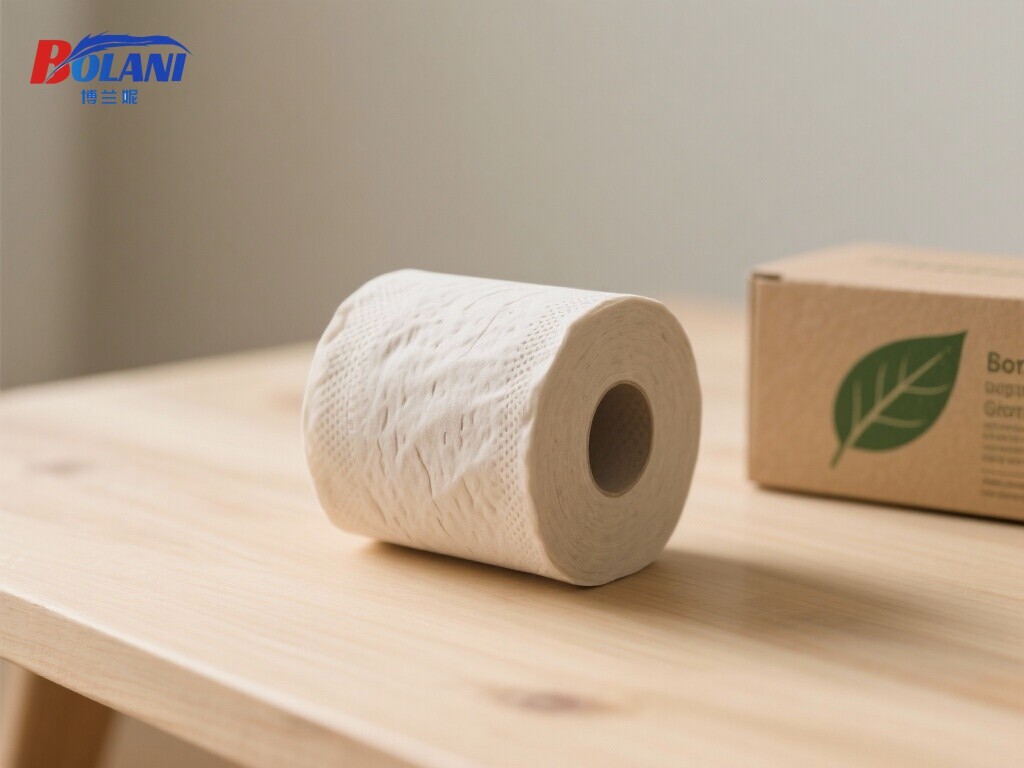
Latest industry data shows that the global tissue paper market exceeded $190 billion in 2024, with a year-on-year growth of 6.2%. Among segments, household wipes and baby wipes grew by 8.5%, significantly outpacing the overall market. The core driver of this growth is "sustainability" — from raw material sourcing to production, environmental protection has become a key competitive factor, opening new avenues for export enterprises.
1. Core Market Features
- Surging Green Demand: A survey by the International Paper Association reveals 72% of overseas buyers list "sustainability certification" as the top procurement criterion, with baby wipes requiring additional "plant-based content ratio" reports. Household wipes with biodegradable materials have a 15%-20% price premium and saw 23% YoY sales growth.
- Regional Market Differentiation: Europe and North America have over 65% penetration of sustainable products, while emerging markets like Southeast Asia and the Middle East grow faster (10%-12%) and prefer combined purchases of "household wipes + baby wipes".
2. Enterprise Sustainable Practices
Leading domestic wet wipe exporters have implemented multiple green initiatives: over 90% of raw materials use FSC-certified wood pulp and bamboo fiber; production cuts water use by 30% and emissions by 25%, with products certified by EU ECOCERT and US USDA Organic. Data from a foreign trade platform shows that wet wipes labeled with "sustainable attributes" have a 30% higher customer consultation conversion rate than ordinary products.
3. Future Trends
In 2025, fully biodegradable baby wipes are expected to account for 35% of the segment, while household wipes will further upgrade "flushable + plastic-free packaging" technologies. Industry experts suggest exporters focus on green certifications and low-carbon supply chains to meet global market demands.
Please give us a message
Bolani (Shandong) Hygiene Products Co., Ltd
Phone : +86 18864857115
WhatsApp : +86 18864857115
WeChat : +86 18864857115